
This post contains affiliate links and I may receive a commission on your purchase. Thank you for shopping through my links.
The Ultimate Easy Carrot Cake Recipe with Decadent Cream Cheese Frosting
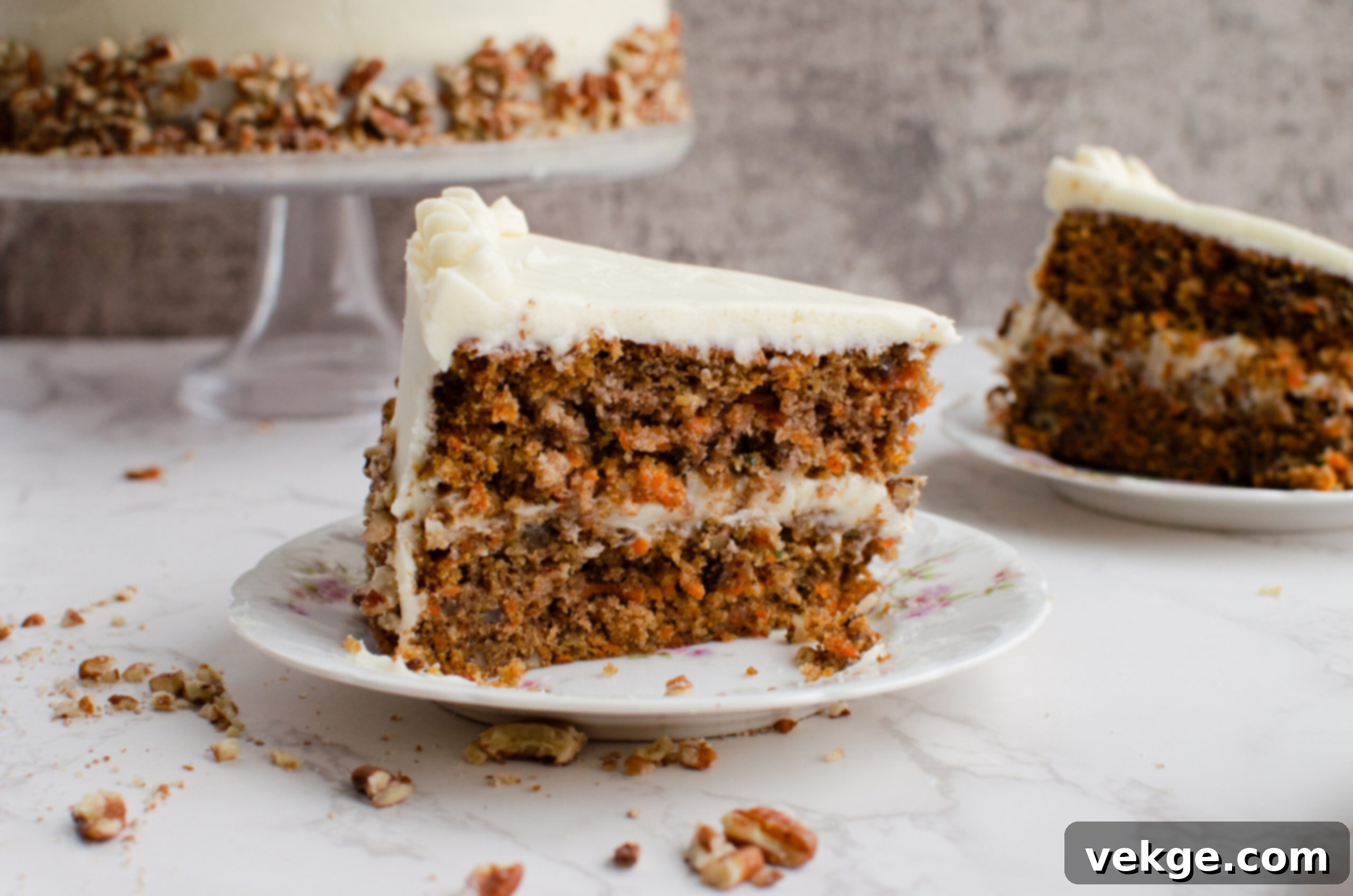
Prepare to embark on a culinary journey that will forever change your perception of carrot cake! This is not just any carrot cake; it’s an extraordinarily moist, perfectly spiced, and utterly delicious creation, crowned with the most irresistible cream cheese frosting imaginable. Whether you’re celebrating Easter, a birthday, a special occasion, or simply craving a homemade treat, this easy carrot cake recipe promises to be a showstopper. It’s remarkably simple to follow, making it accessible for even the most novice bakers, yet it yields a cake that is so satisfying and impressive, you’ll be proud to share it with family and friends.
My heartfelt gratitude goes to my incredibly talented and amazing cousin, Eliza Kroll, for generously sharing this phenomenal easy carrot cake recipe! Her expertise in the kitchen shines through every tender crumb, ensuring a foolproof and delightful baking experience for everyone.
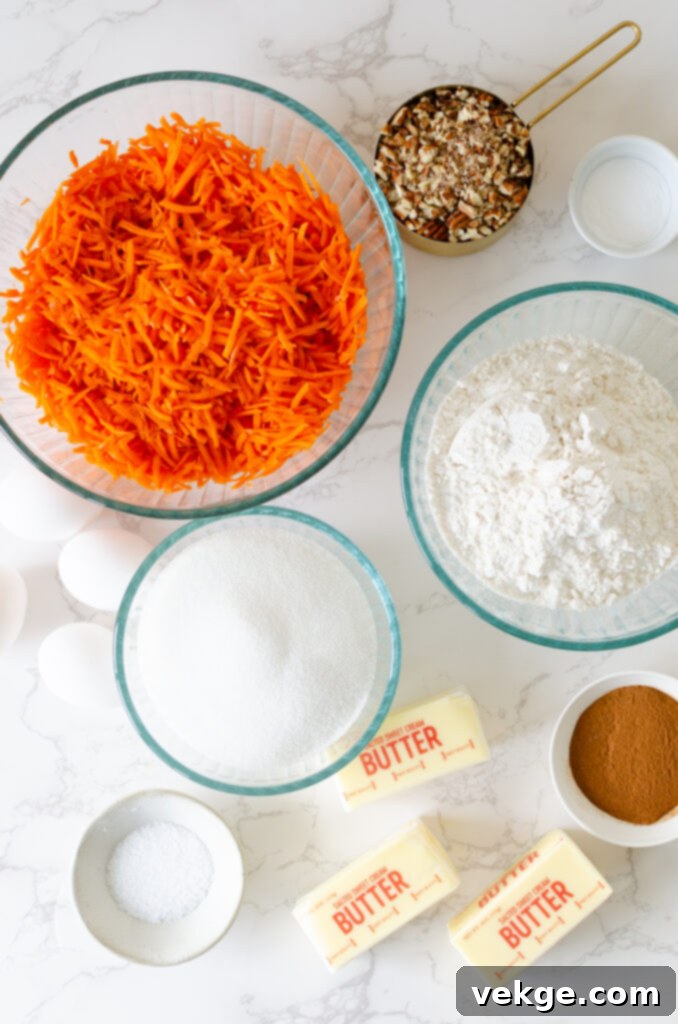
Essential Ingredients for the Perfect Moist Carrot Cake
Creating a truly exceptional carrot cake starts with selecting the right ingredients. Each item on this list plays a vital role in achieving the cake’s signature moisture, rich flavor, and delightful texture. Let’s delve into what you’ll need to gather:
- 2 cups All-Purpose Flour: Standard all-purpose flour is ideal for this recipe. It provides the necessary structure without making the cake overly dense, contributing to its tender crumb. There’s no need to seek out specialty cake flour, keeping this recipe straightforward.
- 2 cups Granulated Sugar: Sugar is not just for sweetness; it’s a crucial component for moisture and tenderizing the cake. It helps create a soft texture that contrasts beautifully with the carrots and pecans. Please stick to granulated sugar for the best results in this recipe.
- 1 teaspoon Salt: A pinch of salt might seem small, but it’s a baking secret weapon. It doesn’t just add flavor; it enhances and balances all the other sweet and spicy notes, making the overall taste more vibrant and complex. As you may know if you’ve followed my recipes, I swear by Redmond Real Salt for its natural minerals and depth of flavor in all my baking and cooking endeavors.
- 2 teaspoons Baking Soda: This powerful leavening agent is indispensable for giving your carrot cake a beautiful rise and a light, airy texture. It reacts with any acidic elements in the batter (like brown sugar, buttermilk if you were to use it, or even the natural acids in the carrots) to create carbon dioxide, resulting in that desirable tender crumb.
- 1 Tablespoon Ground Cinnamon: Cinnamon is the heart and soul of carrot cake flavor. A generous tablespoon ensures a warm, inviting spice profile that is aromatic and perfectly complements the sweetness of the carrots and sugar.
- 4 cups Grated Carrots: The star of the show! For optimal moisture and texture, I highly recommend grating your carrots fresh using the medium holes of a box grater. Avoid pre-shredded carrots, which tend to be drier and coarser. Critically, *do not wring out any water from the grated carrots.* The natural moisture released by the carrots during baking is essential for keeping this cake incredibly moist and preventing it from becoming dry.
- 4 Large Eggs: While four eggs may seem like a significant quantity, they are fundamental for the cake’s structure, richness, and binding properties. Eggs contribute to a tender crumb, a beautiful golden color, and help the cake rise evenly.
- 1 1/2 cups Avocado Oil or Melted Butter: You have a choice here, and both options yield excellent results with slight differences. Avocado oil contributes to an exceptionally moist cake with a very fine, consistent crumb and a neutral flavor that allows the spices and carrots to truly shine. Melted butter, on the other hand, imparts a richer, more traditional buttery flavor, adding a layer of indulgence. Choose based on your preference or what you have available.
- 1 cup Chopped Pecans: This ingredient is optional, but highly recommended if you enjoy a delightful textural contrast. Chopped pecans add a wonderful crunch and a nutty, earthy flavor that beautifully complements the sweet, spiced cake. For an even deeper flavor, you can lightly toast them before adding them to the batter.
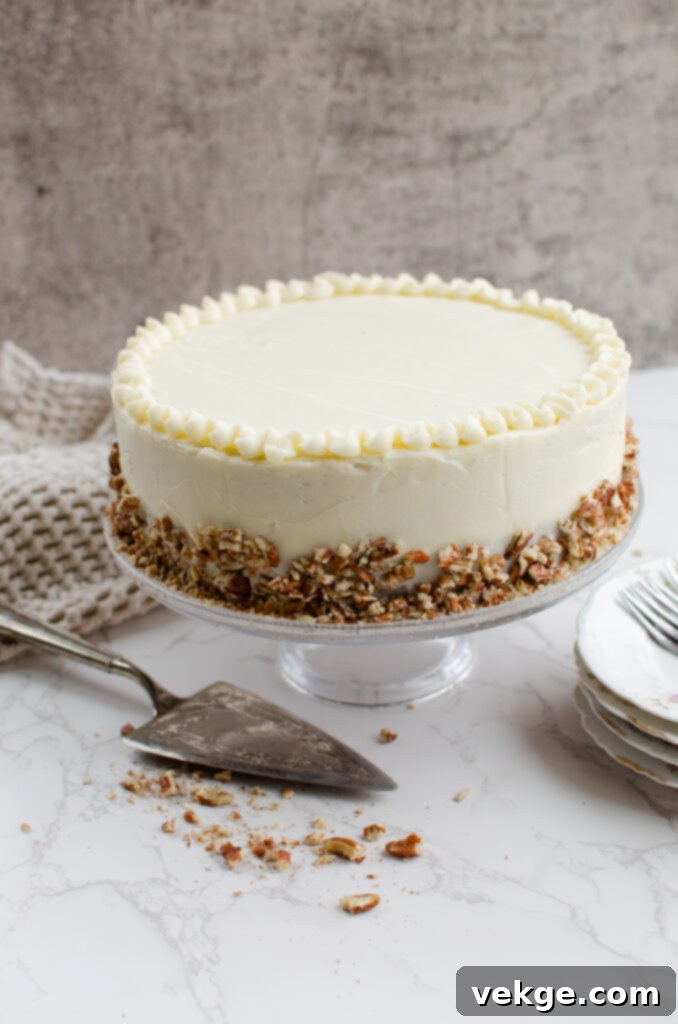
Customizing Your Carrot Cake: Delicious Optional Add-ins
While I often champion the elegant simplicity of this core carrot cake recipe, baking is also a canvas for personal creativity! Many traditional carrot cake recipes feature a variety of mix-ins, and if you’re looking to personalize your cake, here are some popular considerations and my personal recommendation.
Some bakers love adding raisins or crushed pineapple to their carrot cake, claiming they enhance moisture and sweetness. While these ingredients can certainly contribute, I find they can sometimes overpower the delicate balance of carrot and spice that makes this cake so special. However, there is one particular ingredient I occasionally love to incorporate: sweetened coconut flakes. The subtle chewiness and tropical sweetness of coconut create a wonderful harmony with the cake’s earthy flavors and, crucially, pairs magnificently with the tangy cream cheese frosting.
If you choose to include coconut, I strongly advise adding 1 cup of sweetened coconut flakes along with 1/2 cup of full-fat sour cream. The sour cream isn’t just an afterthought; it’s a key addition that ensures the cake remains incredibly moist and prevents it from drying out with the added flakes. It also introduces a lovely tang that complements the coconut and the overall sweetness. Keep in mind that incorporating these extra ingredients will likely extend your baking time by approximately 5-10 minutes, so always rely on the reliable toothpick test to confirm doneness.
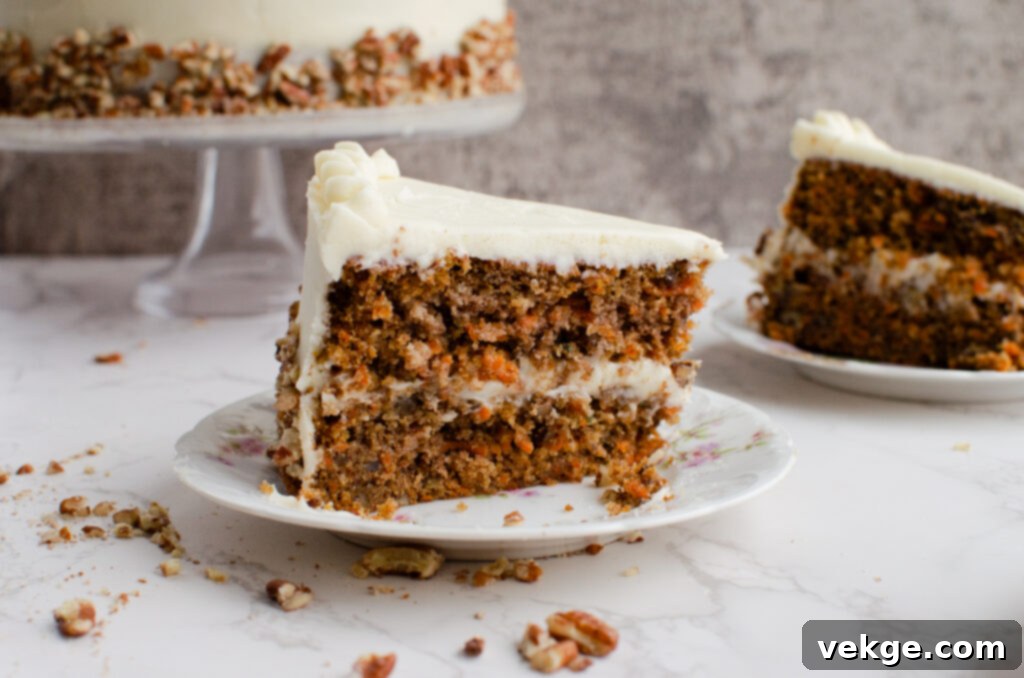
Baking Your Masterpiece: A Step-by-Step Guide to this Easy Carrot Cake
This easy carrot cake recipe is specifically designed to be uncomplicated and enjoyable to make, even if you’re new to baking. The hands-on preparation time is minimal, allowing you to focus on the joy of creating something delicious. However, a little patience is indeed a virtue, especially when it comes to the cooling process, which is absolutely vital for achieving the perfect texture and allowing for flawless frosting.
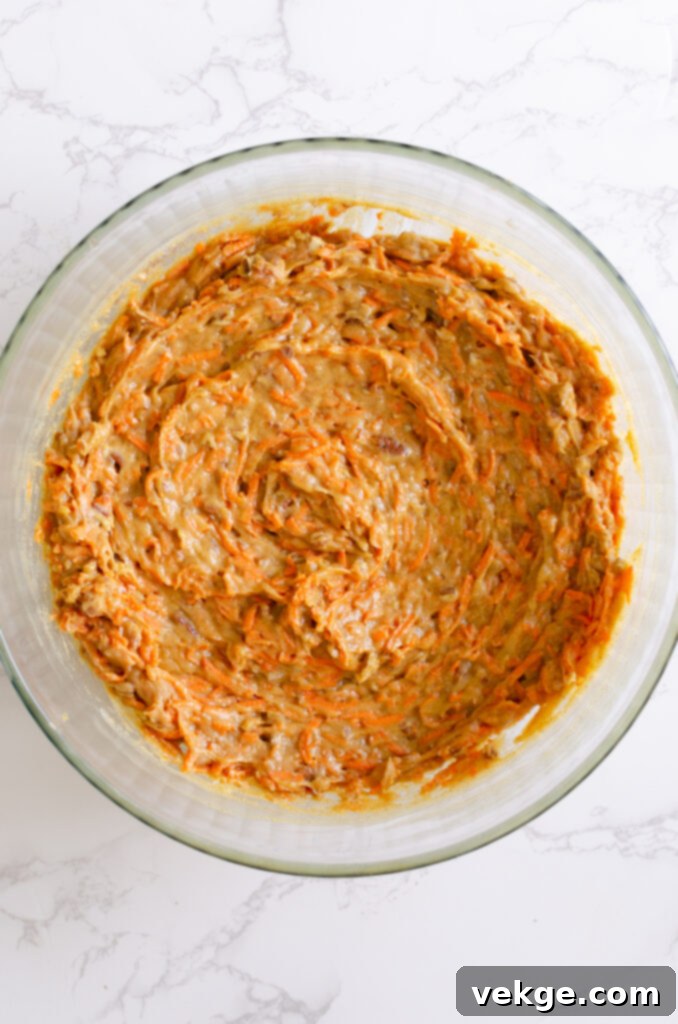
1. Preparing the Rich Carrot Cake Batter
Begin your baking adventure by grating your carrots. Doing this first will streamline the rest of the assembly process. A crucial reminder: under no circumstances should you squeeze or drain the water from the grated carrots. This natural moisture is the secret to a supremely tender and succulent carrot cake.
In a spacious mixing bowl, combine your eggs with either the melted butter or avocado oil. Whisk these wet ingredients thoroughly until they are well integrated and smooth. Next, gradually incorporate the granulated sugar, followed by the dry ingredients: all-purpose flour, ground cinnamon, baking soda, and salt. Gently mix these until they are just moistened. Finally, carefully fold in your freshly grated carrots and the chopped pecans (if you’re including them). Continue mixing only until all ingredients are just combined. The golden rule here is to avoid overmixing the batter, as this can overdevelop the gluten in the flour, resulting in a cake that is dense and tough rather than light and moist.
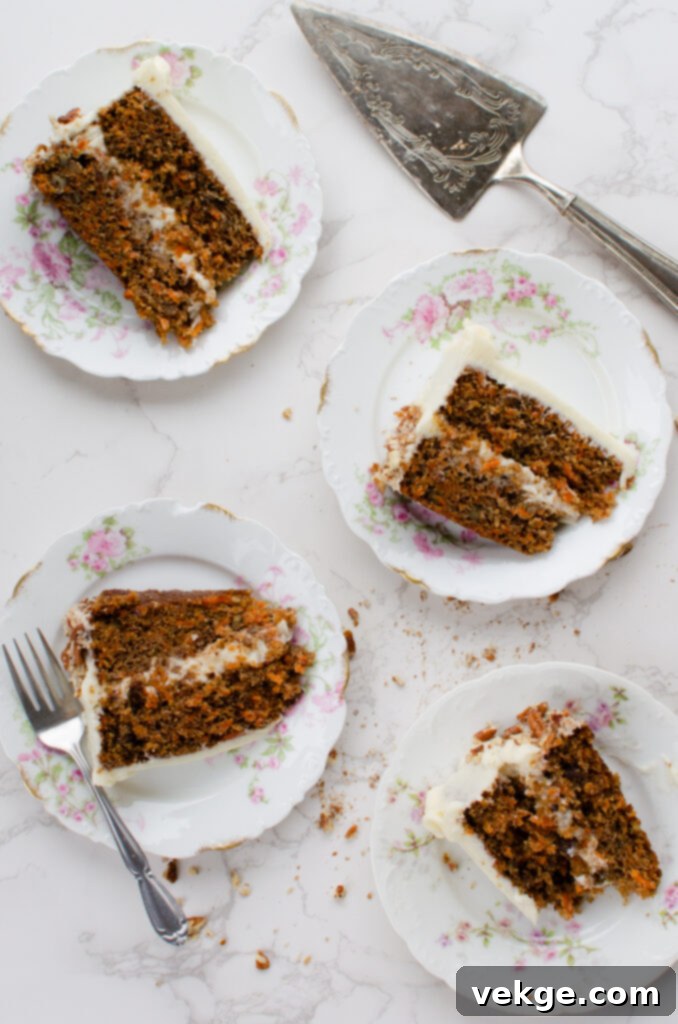
2. Baking to Golden-Brown Perfection
With your perfectly mixed batter ready, it’s time for the oven. You have two excellent presentation choices, both delivering equally delicious results. You can pour the batter into a generously greased Bundt pan for an elegant, single-tiered cake, or divide it evenly between two 8-inch round cake pans if you prefer a classic layer cake. If using round pans, ensure they are greased and lined with parchment paper circles at the bottom to guarantee easy release.
Preheat your oven to 350°F (175°C). For a Bundt pan, the baking time will typically range from 50 to 60 minutes. If you opt for two 8-inch round pans, the baking time will be shorter, generally between 30 to 40 minutes. The ultimate test for doneness is to insert a toothpick into the very center of the cake; it should emerge clean or with only a few moist crumbs attached. Pay close attention and be careful not to overbake, as this is the most common cause of a dry cake. Begin checking a few minutes before the minimum recommended baking time.
3. The Critical Cooling Process: Don’t Rush It!
This step is absolutely fundamental to the success of your carrot cake and should not be rushed! It is imperative that your cake cools *completely* before you even contemplate applying the frosting. Attempting to frost a warm or hot cake will lead to a disastrous, melted, and gloopy mess as the frosting slides right off, compromising both the appearance and the texture.
Upon removing the cake from the oven, you have a couple of highly effective methods for cooling that will help preserve its incredible moisture:
- Method 1 (Cousin Eliza’s Proven Technique): Immediately invert the cake pan(s) onto a piece of parchment paper or a sturdy wire cooling rack. Carefully release the cake from the pan, but then immediately place the inverted pan back over the hot cake, essentially tenting and covering it completely. Allow the cake to cool in this manner for several hours, or until it has reached room temperature. This brilliant method traps the steam and moisture within the cake, ensuring it stays wonderfully moist.
- Method 2 (Plastic Wrap Method): Alternatively, once you’ve gently flipped the pans and released the cakes, wrap each cake tightly in plastic wrap while they are still warm (but not scorching hot). This technique also effectively locks in moisture and prevents the cake from drying out as it cools.
Regardless of the method you choose, the key is to keep the cake covered and enclosed during the entire cooling process. This seemingly simple step is a true secret weapon for achieving that irresistibly moist carrot cake texture that everyone raves about.
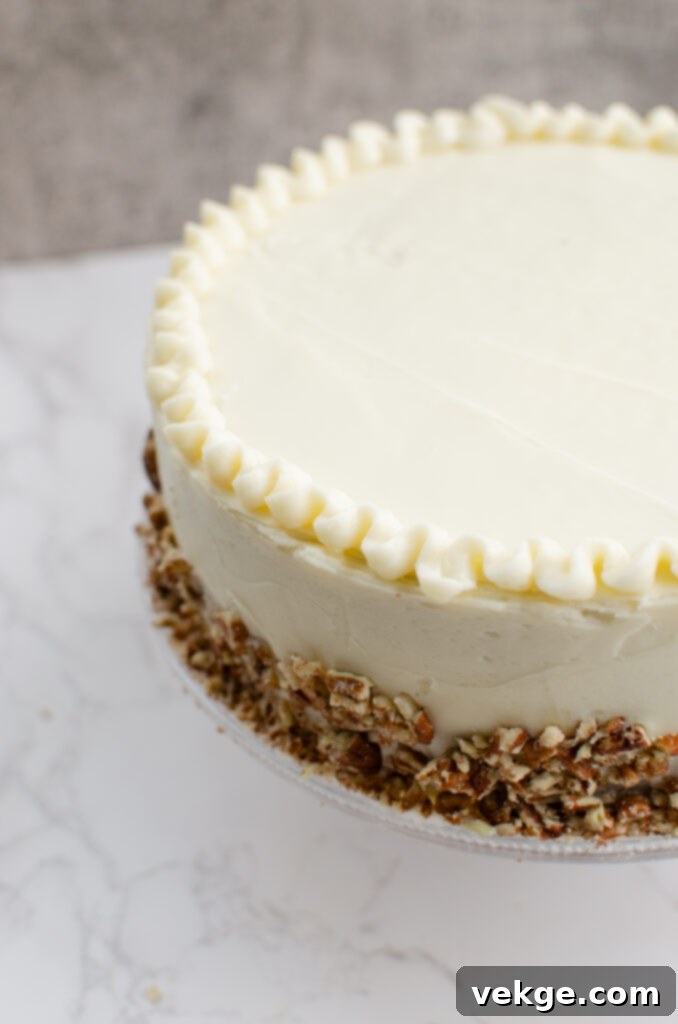
4. Crafting the Irresistible Cream Cheese Frosting
No truly great carrot cake is complete without a generous layer of luscious cream cheese frosting! This tangy, sweet, and incredibly creamy topping is the perfect complement to the rich, spiced cake. To achieve the smoothest, most delectable frosting, ensure your cream cheese and butter are thoroughly softened to room temperature – this is a non-negotiable step for preventing lumps.
In a large mixing bowl (an electric mixer will make this task effortless), begin by whipping together the softened butter and cream cheese. Beat them on medium-high speed until the mixture is light, airy, and completely smooth, with no lumps remaining. Then, gradually add the sifted powdered sugar (sifting prevents lumps), a tiny pinch of salt to balance the sweetness, and the pure vanilla extract. Continue to whip the frosting on medium-high speed until all the ingredients are beautifully combined and the frosting is wonderfully creamy, fluffy, and perfectly spreadable. Remember to scrape down the sides of the bowl periodically to ensure even mixing.
5. Frosting and Serving Your Culinary Masterpiece
Once your cake is *completely* cooled – ideally even slightly chilled, as this makes frosting much easier and prevents crumbling – it’s time to unleash your creativity! You can opt for a rustic, freehand spread, or go for a more refined look with piping and decorations. Generously cover the entire cake with your decadent cream cheese frosting. For the best flavor development and texture, cover the frosted cake and refrigerate it until you are ready to serve. This allows the frosting to set beautifully and gives the flavors time to meld together. For the ultimate eating experience, let the cake sit at room temperature for about 30 minutes before slicing and serving.
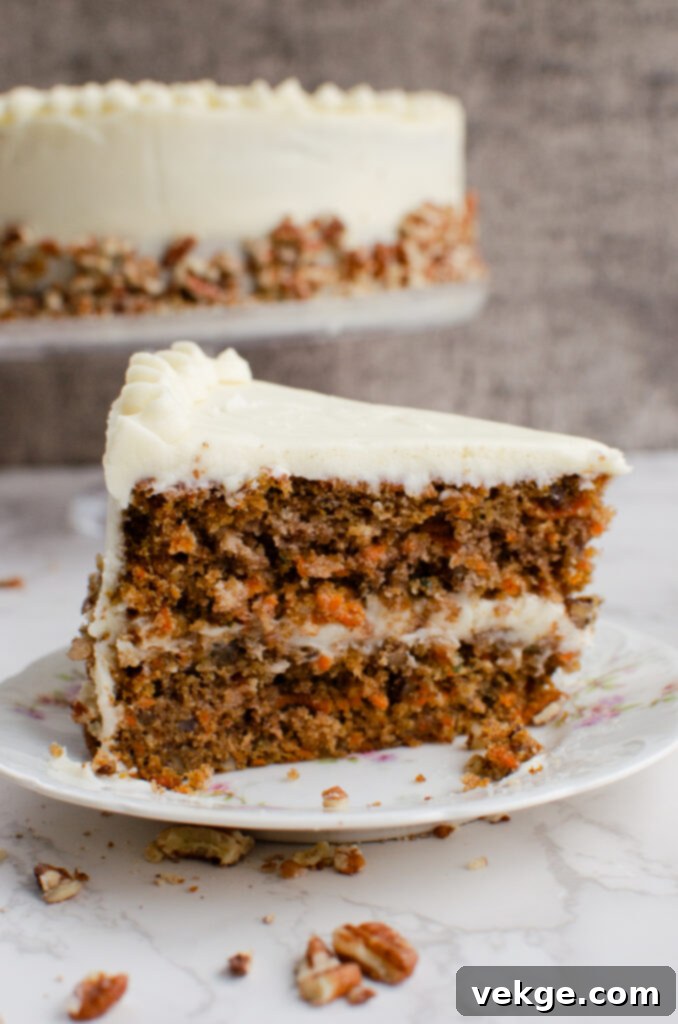
The Perfect Companion: Why Cream Cheese Frosting Reigns Supreme
My inclusion of cream cheese frosting in this recipe is no accident; it is, quite simply, the quintessential topping for carrot cake. Its unparalleled creamy texture and signature tangy sweetness provide the perfect counterpoint to the cake’s richness and warm spices. The subtle saltiness present in both the butter and cream cheese acts as a magnificent flavor enhancer, elevating the entire dessert and making each bite an absolute delight. This classic pairing is beloved for a reason – it creates a harmonious balance that is truly addictive.
However, I understand that personal preferences vary. If, for any reason, cream cheese frosting isn’t to your taste, or if you’re exploring alternatives, a well-made vanilla buttercream can also be a delightful choice. A smooth, classic vanilla buttercream offers a different, yet still delicious, flavor profile that can beautifully adorn your carrot cake, providing a rich, sweet finish.
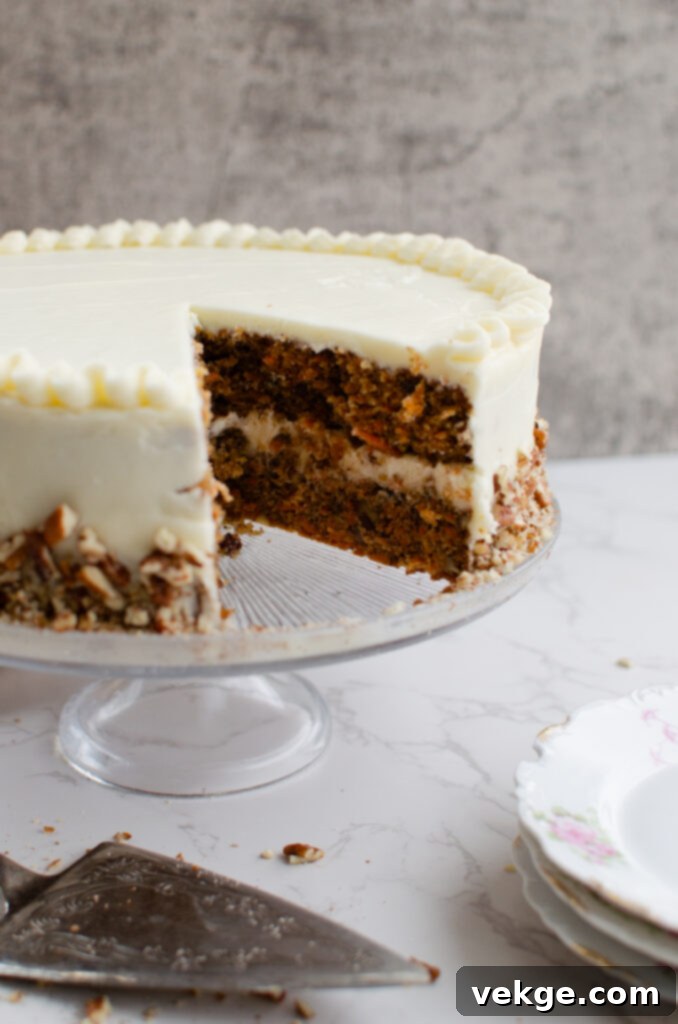
Expert Tips for Baking the Best Carrot Cake Ever
Achieving a consistently perfect carrot cake is easy with these tried-and-true tips:
- Room Temperature Ingredients are Key: This cannot be stressed enough, especially for your eggs, butter, and cream cheese (for the frosting). Room temperature ingredients emulsify more effectively, resulting in a smoother, more uniform batter and a lump-free, fluffy frosting.
- Freshly Grated Carrots Make All the Difference: As highlighted earlier, grating your own carrots ensures maximum moisture and the best texture. Pre-shredded carrots tend to be drier and can lead to a less moist cake.
- Avoid Overmixing the Batter: Once you’ve added the dry ingredients, mix only until everything is just combined. Overmixing develops the gluten in the flour, which can lead to a tough, chewy cake rather than the desired tender, moist crumb.
- Thorough Pan Preparation: Always take the time to generously grease and flour your Bundt pan, or grease and line your round cake pans with parchment paper. This vital step prevents sticking and ensures your beautifully baked cake can be easily removed without breaking.
- Trust the Toothpick Test: Oven temperatures can vary, so the baking times are always approximate. Rely on the toothpick test: insert a toothpick into the center of the cake; it should come out clean or with only a few moist crumbs attached. Wet batter means more time is needed.
- Patience During Cooling is a Virtue: Resist the temptation to frost a warm cake! A fully cooled cake is absolutely crucial for the frosting to set properly and for the cake to retain its exquisite moisture.
Storing Your Delightful Carrot Cake for Lasting Freshness
This incredibly moist carrot cake is a fantastic dessert to make ahead, and it stores beautifully for days! Here’s how to keep it fresh and delicious:
- Countertop Storage (Unfrosted): If your cake layers are unfrosted, they can be stored at room temperature for up to 2 days. Ensure they are tightly wrapped in plastic wrap to prevent them from drying out.
- Refrigerated Storage (Frosted): Due to the cream cheese frosting, the cake must be refrigerated. Store the frosted cake in an airtight container or covered loosely with plastic wrap in the refrigerator for up to 5 days. For the best flavor and texture, allow the cake to come to room temperature for about 30 minutes before serving.
- Freezing for Long-Term Enjoyment (Frosted or Unfrosted): Carrot cake freezes exceptionally well, allowing you to enjoy it weeks later!
- Unfrosted Cake Layers: Once cooled, wrap individual cake layers tightly in several layers of plastic wrap, followed by a layer of heavy-duty aluminum foil. Freeze for up to 2-3 months. Thaw frozen layers in the refrigerator overnight before frosting.
- Frosted Whole Cake or Slices: For a whole frosted cake, place it uncovered in the freezer for about an hour until the frosting is firm. Then, wrap it tightly in plastic wrap and an outer layer of aluminum foil. For individual slices, wrap each slice separately. Freeze for up to 1 month. Thaw in the refrigerator overnight, then bring to room temperature before serving.
Frequently Asked Questions About Baking Carrot Cake
Can I use pre-shredded carrots from the grocery store?
While freshly grated carrots offer superior moisture and texture, you can use good quality pre-shredded carrots if absolutely necessary. Look for finer shreds rather than thick, dry ones. You might notice a slight difference in the cake’s overall moisture, but it will still be delicious. To mitigate any potential dryness, consider incorporating the optional sour cream recommended in the “Add-ins” section.
Is it possible to make this carrot cake ahead of time?
Absolutely! Carrot cake is an excellent make-ahead dessert. You can bake the cake layers a day or two in advance, wrap them tightly as described in the storage tips, and store them at room temperature or refrigerate. Then, simply frost the cake on the day you plan to serve it. In fact, many people find that the flavors of carrot cake deepen and improve overnight, making it even more delectable the next day!
What should I do if my cream cheese frosting is too thin or too thick?
The consistency of your frosting is key! If your cream cheese frosting turns out too thin, gradually add a tablespoon or two more sifted powdered sugar until it reaches the desired spreadable consistency. If it’s too thick, you can thin it out by adding a teaspoon of milk (or a tiny bit more softened cream cheese, if you have extra) until it’s perfectly smooth and easy to spread. The most common reason for inconsistent frosting texture is not having the butter and cream cheese properly softened, so always ensure they are at room temperature before you begin.
How can I adapt this carrot cake recipe to be gluten-free?
While this particular recipe is developed with standard all-purpose flour, many home bakers have successfully adapted it for gluten-free diets. The most common approach is to substitute an equal amount of a good quality 1:1 gluten-free baking flour blend. It’s important to choose a blend that already contains xanthan gum, which helps provide structure to gluten-free baked goods. Be aware that baking times might vary slightly with gluten-free flour, so keep a close eye on your cake and rely on the toothpick test for doneness.
More Delicious Dessert & Dinner Ideas for Any Occasion
If you share my passion for celebrating life’s moments (big or small!) through the joy of good food, here are some other wonderful recipes to inspire your next gathering. These are perfect companions to your carrot cake, whether for Easter, a family dinner, or any special occasion!
- Coconut Birds Nest Cookies – A charming, delightful, and visually appealing treat, especially perfect for spring celebrations.
- Perfect Roasted Vegetables – A versatile and flavorful side dish that beautifully complements virtually any main course.
- Six-Stranded Challah Bread – An impressive and delicious braided bread that makes a beautiful centerpiece for any meal.
- Twice-Baked Potatoes – A hearty, cheesy, and incredibly satisfying side dish that is always a guaranteed crowd-pleaser.
Carrot Cake Recipe Card
Add this truly outstanding carrot cake to your list of crowd-pleasing recipes! It has received a 5-star rating from happy bakers!
Course: Desserts
Keyword: carrot cake recipe, delicious carrot cake, dessert recipe, Easter recipes, easy carrot cake, moist carrot cake, best carrot cake
Prep Time: 20 minutes
Cook Time: 30-60 minutes (depending on pan type)
Total Time: Approximately 50 minutes to 1 hour 20 minutes (plus cooling time)
Servings: 14-16 slices
Author: Amber
Ingredients
For the Cake
- 2 cups all-purpose flour
- 2 cups granulated sugar
- 1 teaspoon salt
- 2 teaspoons baking soda
- 1 Tablespoon ground cinnamon
- 4 cups freshly grated carrots (do not wring out water)
- 4 large eggs
- 1 1/2 cups avocado oil or melted butter
- 1 cup chopped pecans (optional)
- ***See notes below for more mix-in information.
For the Cream Cheese Frosting
- 8 oz cream cheese, softened
- 1 cup (2 sticks) unsalted butter, softened
- 4 cups powdered sugar, sifted
- Pinch of salt
- 1 teaspoon pure vanilla extract
Instructions
- In a large mixing bowl, combine the eggs and melted butter (or avocado oil). Mix well until thoroughly incorporated.
- Gradually add the granulated sugar, then the flour, cinnamon, baking soda, and salt. Mix gently until just combined. Fold in the freshly grated carrots and chopped pecans (if using). Mix only until ingredients are uniformly distributed; do not overmix.
- Preheat your oven to 350°F (175°C). Pour the batter into a generously greased Bundt pan (bake for 50-60 minutes) or divide it evenly between two greased and parchment-lined 8-inch round cake pans (bake for 30-40 minutes).
- Bake until a toothpick inserted into the center of the cake comes out clean or with only a few moist crumbs attached. Be careful not to overbake.
- Once baked, immediately remove the cake from the oven. Invert the pan(s) onto a piece of parchment paper or a wire rack. Carefully release the cake(s), then immediately cover the hot cake(s) with the inverted pan(s) or wrap them tightly in plastic wrap. Allow the cake(s) to cool completely for several hours at room temperature. This crucial step locks in moisture.
- While the cake cools, prepare the frosting: In a large bowl (preferably with an electric mixer), cream together the softened butter and cream cheese until light, fluffy, and completely smooth. Gradually add the sifted powdered sugar, pinch of salt, and vanilla extract. Whip until the frosting is smooth, creamy, and spreadable.
- Once the cake is completely cooled (it can even be slightly chilled for easier frosting), generously frost it with the prepared cream cheese frosting. Cover the frosted cake and refrigerate until ready to serve. For best flavor, allow it to sit at room temperature for about 30 minutes before serving.
- Enjoy your incredibly moist, flavorful, and easy homemade carrot cake!
Notes
For an extra layer of flavor and texture, you can add 1 cup of sweetened coconut flakes to the cake batter. If you choose this optional addition, I highly recommend also incorporating 1/2 cup of sour cream to maintain optimal moisture and balance the sweetness. Please note that these additions will likely increase the baking time by approximately 5-10 minutes.
Happy Cooking and Baking Adventures!
I sincerely hope you cherish this easy carrot cake recipe as much as I do. It truly is a delightful crowd-pleaser and a joy to bake and share. If you’re eager to follow along on my ongoing cooking and baking adventures, discover more delicious recipes, and get daily inspiration for your kitchen, be sure to connect with me and follow on Instagram @AMBERSKITCHEN. Happy baking!