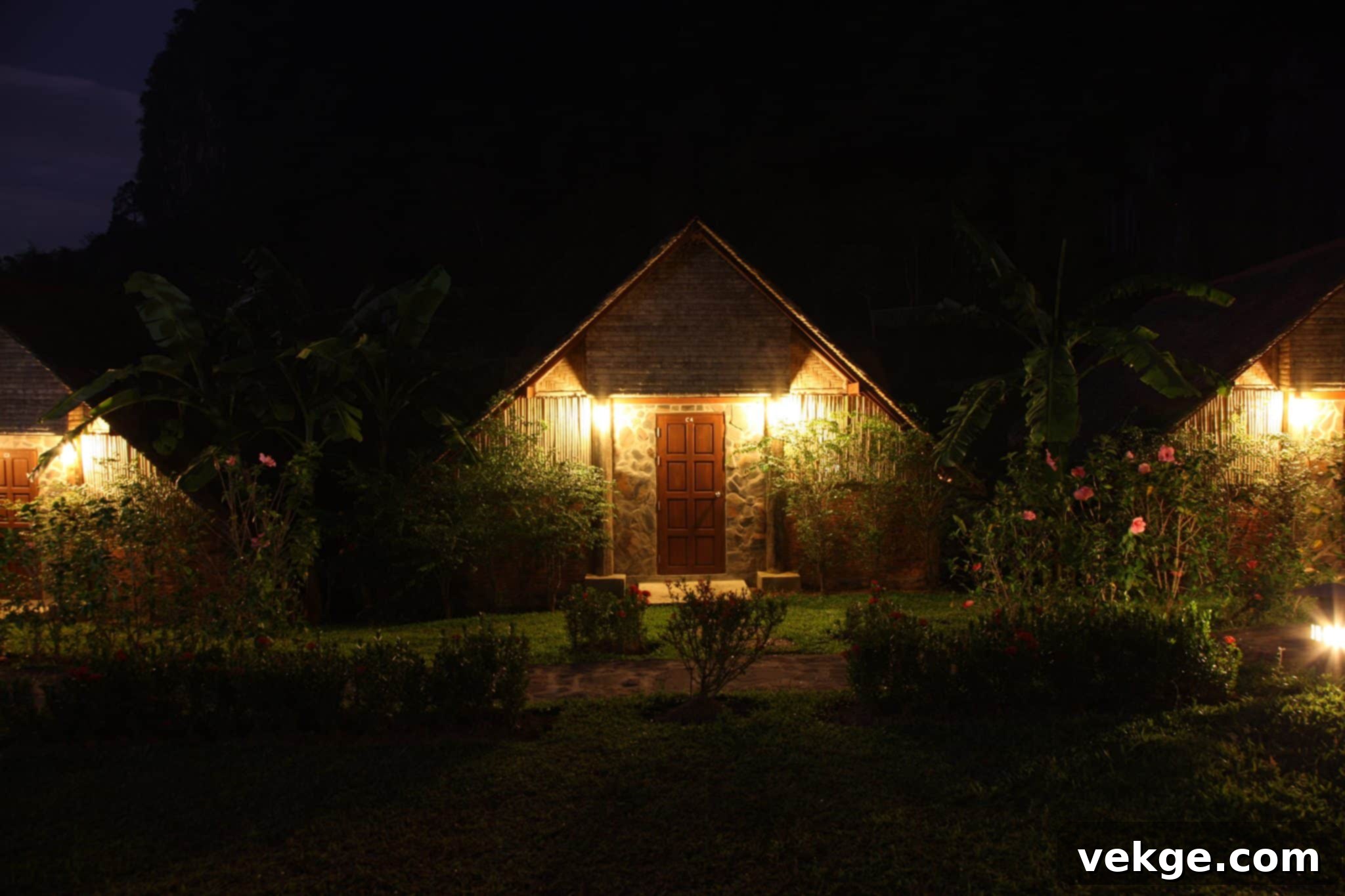
DIY Low-Voltage Landscape Lighting Installation Guide: Enhance Your Home’s Curb Appeal and Safety
Transforming your home’s exterior through thoughtful design is just as important as perfecting your interior spaces. While many focus on interior home improvements, overlooking the exterior beauty is a missed opportunity. Investing in landscape lighting is a fantastic way to not only add significant value to your property but also dramatically enhance its aesthetic appeal and safety after dusk. If you’re ready to illuminate your yard and boost your home’s overall curb appeal, this comprehensive guide will walk you through the process of installing low-voltage landscape lighting.
With careful planning and the right preparation, installing various types of landscape lighting can be a rewarding DIY project. You won’t always need to consult a professional, saving you time and money while giving you the satisfaction of a job well done.
Essential Materials and Tools for Your Landscape Lighting Project
Before you begin, gathering all necessary components and tools is crucial for a smooth and efficient installation. Here’s a detailed list of what you’ll need:
- Low-Voltage Landscape Lighting Components: This includes the actual light fixtures (path lights, spotlights, floodlights, well lights), appropriate bulbs (preferably LED for efficiency and longevity), a powerful transformer, and suitable low-voltage wires and cables.
- Landscape Lighting Plan/Design: A detailed drawing or sketch of where each light will be placed and how the wiring will run. This plan is your roadmap to a successful and visually appealing layout.
- Digging Tools: A sturdy shovel for larger trenches and a garden spade shovel for more precise digging in garden beds.
- Hammer or Mallet: For driving stakes into the ground or securing fixture mounts.
- Exterior-Rated Wire Stripper: Essential for safely and accurately stripping the insulation from outdoor-rated wires.
- Rigid Metal Conduit (RMC) or PVC Conduit: Specifically, a galvanized rigid steel conduit (RGS) or PVC pipes, especially where wires cross driveways, patios, or other high-traffic areas, to protect them from damage. Galvanized rigid steel conduit provides excellent protection.
- Wire Connectors and Gel-Filled Wire Nuts: These are crucial for making secure, waterproof connections between wires, especially in outdoor environments where moisture is a concern.
- Exterior-Grade Silicone Sealant: For sealing any openings, connections, or fixture mounts against water intrusion.
- PVC Pipes or Flexible Tubes: Suitable for housing and protecting below-ground wires, particularly where extra protection is needed.
- Outdoor Enclosures: For housing wiring accessories or connections, ensuring they are protected from the elements.
- Outdoor-Rated Mat or Carpet: To lay out your wires and tools, keeping them clean and organized during the installation process.
Step-by-Step Guide to Installing Low-Voltage Landscape Lights
Follow these detailed steps to ensure a safe, efficient, and aesthetically pleasing landscape lighting installation:
1. Thoroughly Plan and Prepare Your Materials
Before any digging begins, ensure all your purchased installation materials and tools are accounted for and organized. This initial arrangement helps you visualize the placement of your landscape lighting fixtures according to your pre-planned design. Confirm that you have all the necessary components for each feature you intend to light, from the bulbs to the mounting hardware. A well-organized workspace prevents delays and frustration later on.
2. Research Local Codes and Ordinances
This is a critical, often overlooked step. Always check your local codes and ordinances regarding outdoor landscape lighting. Restrictions might apply to operating hours, maximum wattage, acceptable fixture types, and even specific placement to avoid light pollution or interference with neighbors. Taking the time to understand these regulations beforehand will prevent costly re-dos and potential fines, saving you significant time and energy in the long run.
3. Select the Appropriate Low-Voltage System
Landscape lighting systems typically operate at 12V or 24V. Both options are considered safe for do-it-yourself installation, significantly reducing the risk of electrical shock compared to standard household voltage. While 12V systems are very common, 24V systems can sometimes handle longer wire runs with less voltage drop. Choose the correct transformer that matches your chosen voltage system and has sufficient wattage capacity to power all your fixtures. Overloading a transformer can lead to dim lights and premature equipment failure.
4. Strategically Place Your Transformer and Timer
The transformer is the heart of your low-voltage system. Install it in a location that is either naturally weatherproof or within an outdoor enclosure providing robust protection from the elements. It should be close to an indoor or outdoor 120V GFCI (Ground-Fault Circuit Interrupter) outlet for safety and ease of connection. Mount the transformer vertically on a stable wooden or metal stand, at least one foot above the ground. Ensure there is adequate space around the top and bottom for proper ventilation, as transformers can generate heat during operation.
5. Secure and Protect Wiring Connections
According to your lighting plan, seal any wire connector boxes or housings where fixtures will be mounted. All connections between wires should be housed within hard plastic covers or gel-filled wire nuts to prevent moisture ingress and physical damage. Secure these enclosures to walls, eaves, or other structural elements. It’s good practice to leave a small loop or “slack” of wire inside these boxes. This extra length will prove invaluable for future repairs, replacements, or adjustments without having to re-run entire sections of cable.
6. Dig Trenches for Underground Wiring
Carefully dig small, shallow trenches for laying the main feeder cables from the transformer to your lighting fixtures. For areas with grass, dig trenches that are 6-10 inches deep. This depth helps protect the wires from damage by lawn aerators, shovels, or other garden tools. In garden beds where digging is less frequent, a depth of 4 inches is generally sufficient to protect the wires while allowing for plant growth. Always be mindful of existing utility lines before digging by contacting your local “call before you dig” service.
7. Lay Main Feeder Cables with Protection
Starting from the transformer, lay your main feeder cables along the bottom of the trenches, following your planned route. Where cables cross paths, driveways, or other vulnerable areas, coil the wires within flexible tubing or PVC pipes to provide robust protection below ground. It is advisable to leave some slack alongside the cable runs; this flexibility allows for easier retrieval or adjustments in the future. If your feeder cable run requires multiple sections, connect them using gel-filled, waterproof wire nuts to ensure durable and secure splices.
8. Backfill and Restore the Landscape
Once the cables are laid, carefully backfill the trenches with the excavated dirt. Be extremely cautious not to cut or damage the cables with your shovel or spade during this process. It’s a good practice to cushion the wires with at least two inches of fine soil before completing the full backfill. The goal is to restore the soil levels and grade back to their original state, making the wires completely invisible and seamless once the project is finished. This attention to detail ensures a clean and professional look.
9. Connect Individual Fixtures to the Main Line
At each light location, gently pull out the fixture cables. Connect these to the main feeder cables using gel-filled, waterproof wire nuts. These specialized nuts are designed to create a tight, moisture-resistant seal, critical for outdoor electrical connections. Any excess fixture cable should be neatly coiled and secured within attached boxes or buried carefully near the fixture base, ensuring a tidy installation and preventing accidental damage.
10. Position and Aim Your Lighting Fixtures
Mount brackets and fixtures onto walls, stairs, ceilings, or under eaves as per your design. For freestanding fixtures, place them securely on poles or short posts. Position each light according to its type and intended application. For example, spotlights are great for accentuating architectural features or trees, while path lights illuminate walkways. Aim to create uniform illumination, avoiding harsh glares or dark spots. Experiment with angles to achieve the desired effect, whether it’s uplighting, downlighting, or grazing a textured surface.
11. Test and Fine-Tune Your Lighting Setup
With all connections made, switch on the power to the transformers. Wait until nightfall to fully assess your lighting scheme. This is the optimal time to see the various patterns of light and shadow created in your landscape. You might need to tilt fixtures slightly, adjust their position, or even swap out bulbs to achieve the perfect illumination. Once you’re satisfied with the light distribution, apply exterior-grade silicone sealant caulk to any remaining small gaps around mounts or connections for added weather protection.
12. Program Your Transformer Timer
The final step is to program your transformer’s timer settings. Many modern timers come equipped with dusk-to-dawn sensing capabilities, automatically turning your lights on at sunset and off at sunrise. This offers convenience and energy efficiency. Alternatively, you can program specific operating hours if you prefer the lights to come on and off at set times. Some advanced systems also offer smart home integration for remote control and customizable schedules.
Essential Tips For Success and Longevity
- Group Multiple Lights per Transformer: For optimal performance and easier management of low-voltage lights, it’s generally better to run multiple lights in a group on a single transformer, rather than attempting to run each individually. Ensure the total wattage doesn’t exceed the transformer’s capacity.
- Provide Wire Slack for Future Changes: When laying wires along a drive or pathway, include extra wire slack loops beneath the surface. This foresight will be invaluable should there be future repaving, landscaping changes, or the need to move a fixture slightly.
- Invest in High-Quality Cables: Purchase direct burial-rated cables of high quality for landscape lighting. These cables are designed to withstand the harsh underground environment. Whenever wires or cables pass through walls or hard surfaces, always use protective grommets to prevent abrasion and wear over time, which can lead to shorts.
- Ensure Adequate Transformer Wattage: Always select a transformer with enough power wattage to comfortably run all your total fixtures. It’s wise to plan for about 20-30% extra capacity for future additions or to prevent overloading, which can shorten the transformer’s lifespan and cause lights to dim.
- Opt for LED Lighting: To significantly increase energy efficiency and extend the longevity of your bulbs, use LED bulbs instead of standard incandescent or halogen lamps. LEDs consume less power, produce less heat, and last considerably longer, saving you money on electricity bills and replacement costs.
- Regular Maintenance: Periodically check your system for loose connections, damaged wires, or clogged fixtures. Cleaning debris from fixture lenses will maintain optimal light output.
Wrapping Up Your Landscape Lighting Project
Installing landscape lighting certainly requires some effort and attention to detail, but the dramatic transformation of your yard’s nighttime appearance, coupled with enhanced safety and security, makes the extra time and investment incredibly worthwhile for many seasons to come. It’s crucial to ensure that all lighting system components are properly positioned and securely fixed, minimizing any risks of falling, damage, or electrical hazards.
By meticulously paying close attention to every detail and taking all necessary precautions during the lighting installation process, you can create a breathtaking outdoor spectacle. This beautiful illumination will not only enhance the visual appeal of your yard at night for your personal enjoyment but also provide a welcoming and safe environment for anyone accessing your property. So, take your time, do it right, and look forward to unwinding in a beautifully lit, tranquil outdoor space every evening.